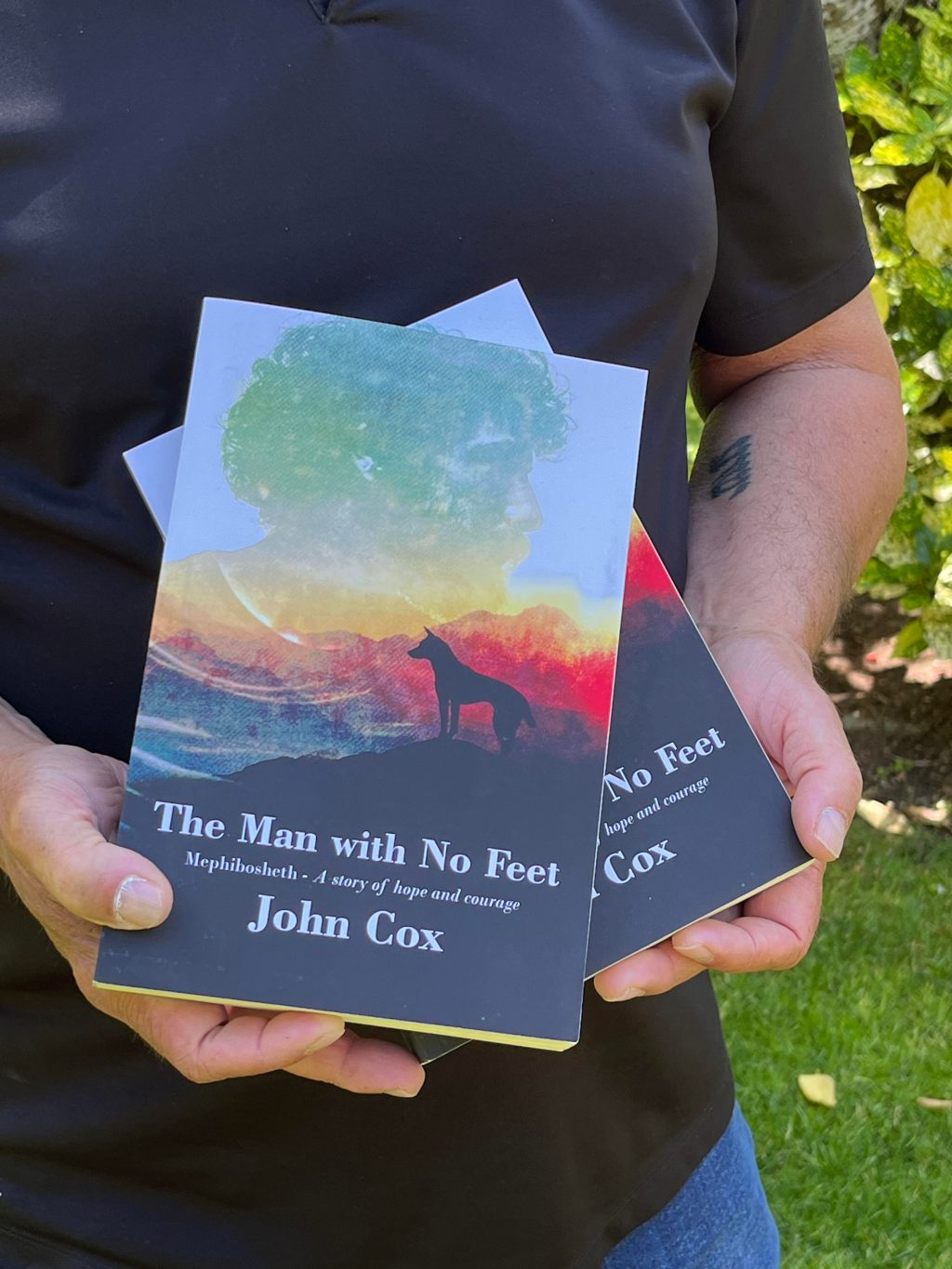
Like many, I’ve always been very reticent to promote anything I do. It feels awkward. I probably lack the confidence to hold up my work and recommend. It seems brash. However, the reality is that in these times no-one else will shout from the rooftops, so here goes!
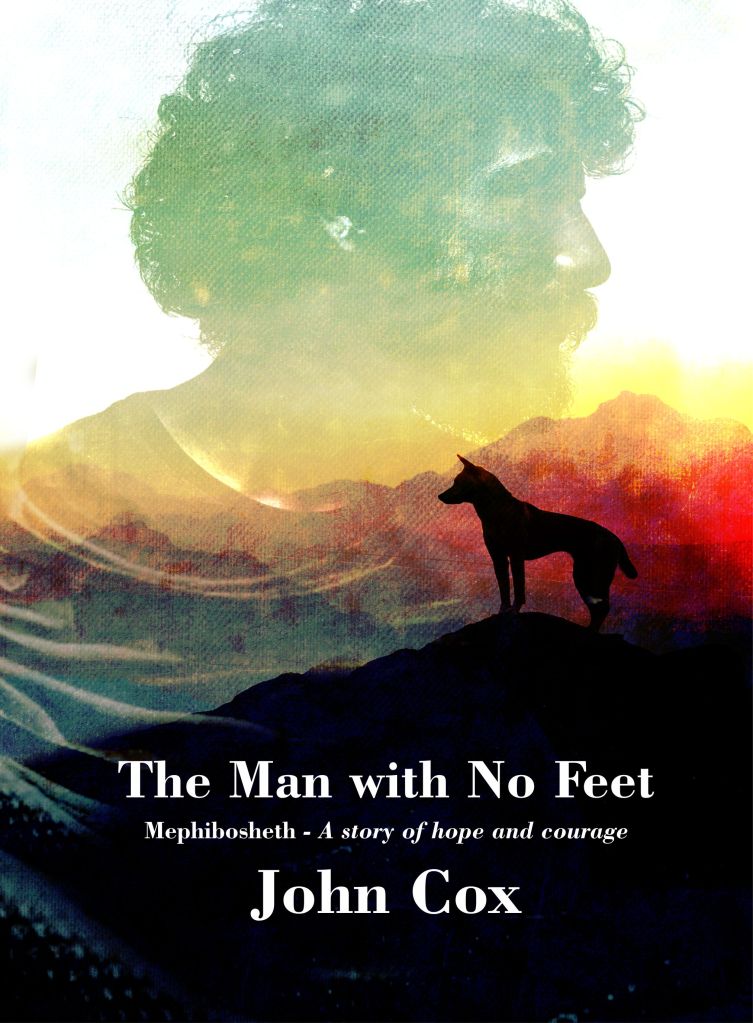
I wrote “The Man With No Feet” because I have always been fascinated with the crippled son of Jonathan who makes the shyest of appearances during the reign of King David. He is Jonathan’s refugee son, fleeing in fear for his life as a young, newly crippled lad in the arms of his mother. They live in a nondescript town far away from their palace in Gibeah, constantly tormented at the thought of being hunted down and killed by the new king (as was the custom).
And then there is the story of David who made a covenant to protect Jonathan’s family if anything should happen to him. David takes a while, eventually fulfilling his promise and ordering his soldiers to find Mephibosheth and escort him back to Jerusalem.

I took time researching the context and historical background before imagining the story and placing flesh on the barest of skeletons outlined in historical documents. The fact that I spent five weeks studying and travelling around Israel helped immensely in my understanding of the terrain and conditions. I walked the river/wadi through which Mephibosheth and his family probably travelled in and out of exile. I saw the caves where David fled from Saul and Ein Gedi, the oasis near the Dead Sea where he hid with his men. I picked up pebbles where the young David defeated Goliath in a broad valley, and toured the hills and valleys, deserts and fertile regions where the first tribes of Israel established their territories.
While much of the story is imagined, woven throughout are accounts of actual events, particularly around David and his family. The challenges and strife in the palace of Jerusalem, rebellious sons, adultery, betrayal, blessings, and curses. Always wondering where the hand of God is resting and how the future will unfold. Spiritual grappling and revelation emerging in the dust, depravity, and weakness of human frailty. The themes are familar through history and undoubetdly will resonate in our lives today.
Someone who read the book echoed the response of others.
“I have to admit the Old Testament stories remained rather a cultural enigma, and the plot-lines rather complex and tricky for me to sort out.
It was therefore SO refreshing to have you make wonderful sense of the Mephibosheth story and it’s entire context, meaning, genealogy (via those very helpful family trees at the beginning) etc.
I was captivated from the start, and loved the way you wrote. It was gentle, winsome, empathetic and challenging in the face of so many “quick”, black and white answers offered at times on the whole subject of suffering and God’s good plan within, around, and despite it.“
From another:
You tell the story with such sensitivity and insight. I hated history in school because they always wanted me to memorize names and dates (something my brain finds difficult) and so understanding the Old Testament details had always been foggy to me. Your writing is helping
me grasp the names, dates, places and personalities of the real life people of Mephibosheth’s time.

My purpose in writing is to attempt to make Biblical history easier to access and the characters more human. They were ‘just like us’, not super-spiritual, or extraordinary. And to describe God as far more compassionate and real than someone who can only be accessed by religious/spiritual rock stars. Our culture has become so spiritually polluted it’s almost impossible for those who have never known God to comprehend how to question and explore a topic that may be foreign and somewhat intimidating.
The reader requires no ‘insider knowledge’ to access the story and make sense of it all.
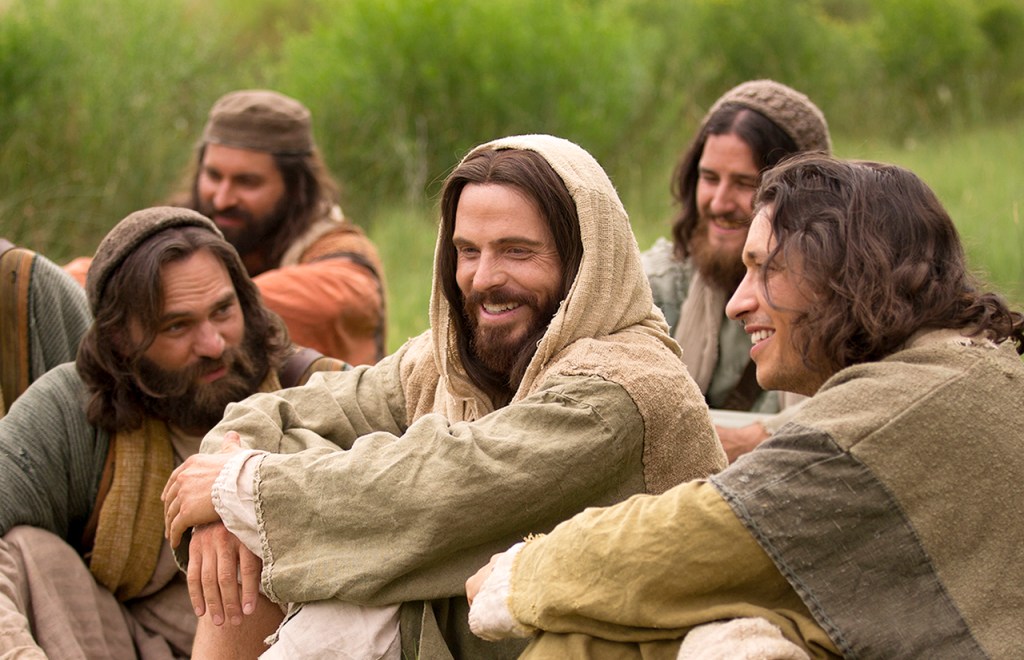
Jesus was a great story-teller. He frequently incorporated parables and metaphors in his teaching. Most of us find stories compelling and easier to absorb, than facts presented in long lectures, thick books, or theories and principles. Stories soften the edges and draw us closer. Hopefully, they raise more questions and peak the interest, open eyes to possibilities, and unblock ears to truths seldom considered. Best of all, a story may bring something/or someone who was dead to us, come alive. In that revelation we could uncover new possibilities; even encouragement and hope for our lives.
Those are a few reasons why I hope you will read “The Man With No Feet”, enjoy the story, learn something new, and perhaps consider sharing/recommending to others. The story is available as a paperback, digitally on kindle, and as an audio book. Details here on Amazon.



 Googling God
Leave a comment